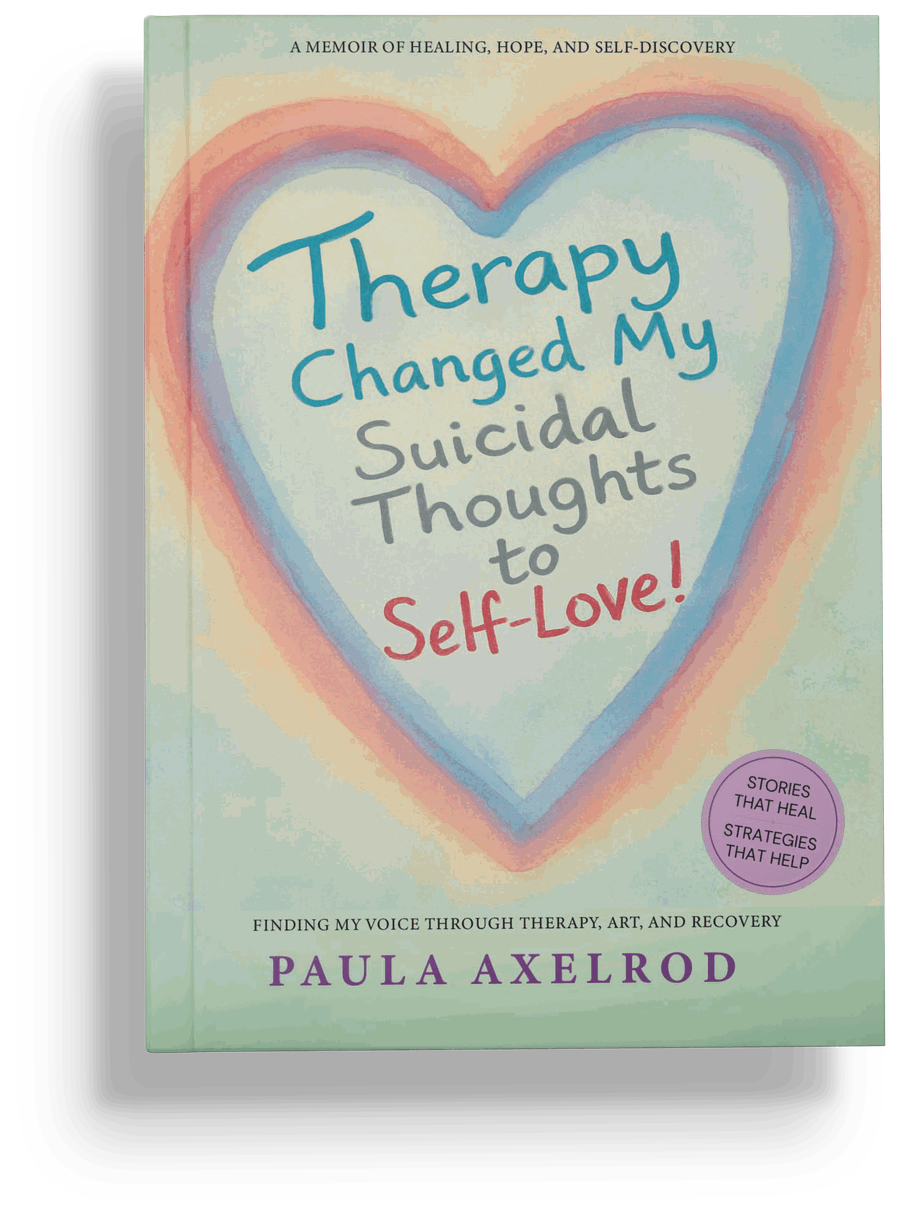
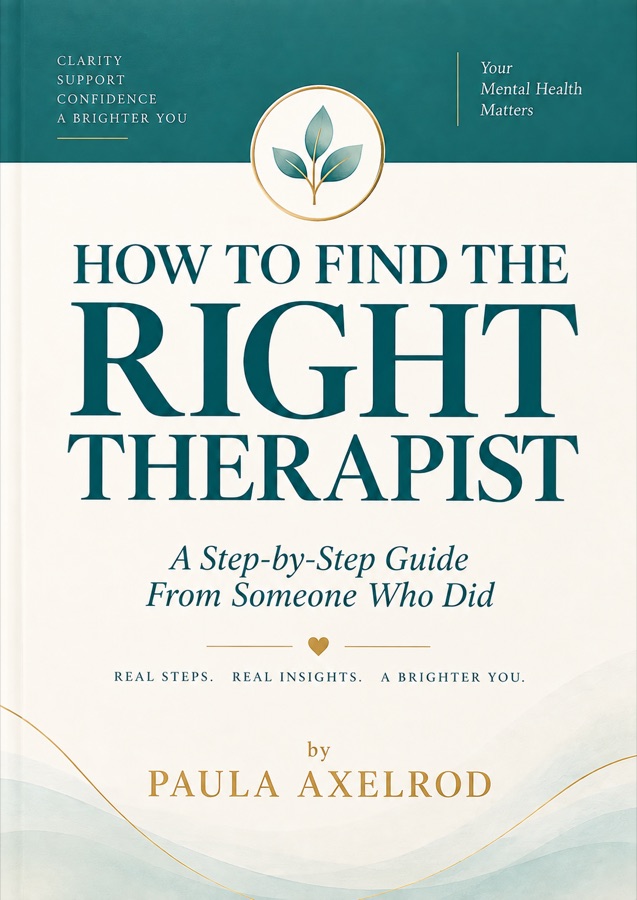
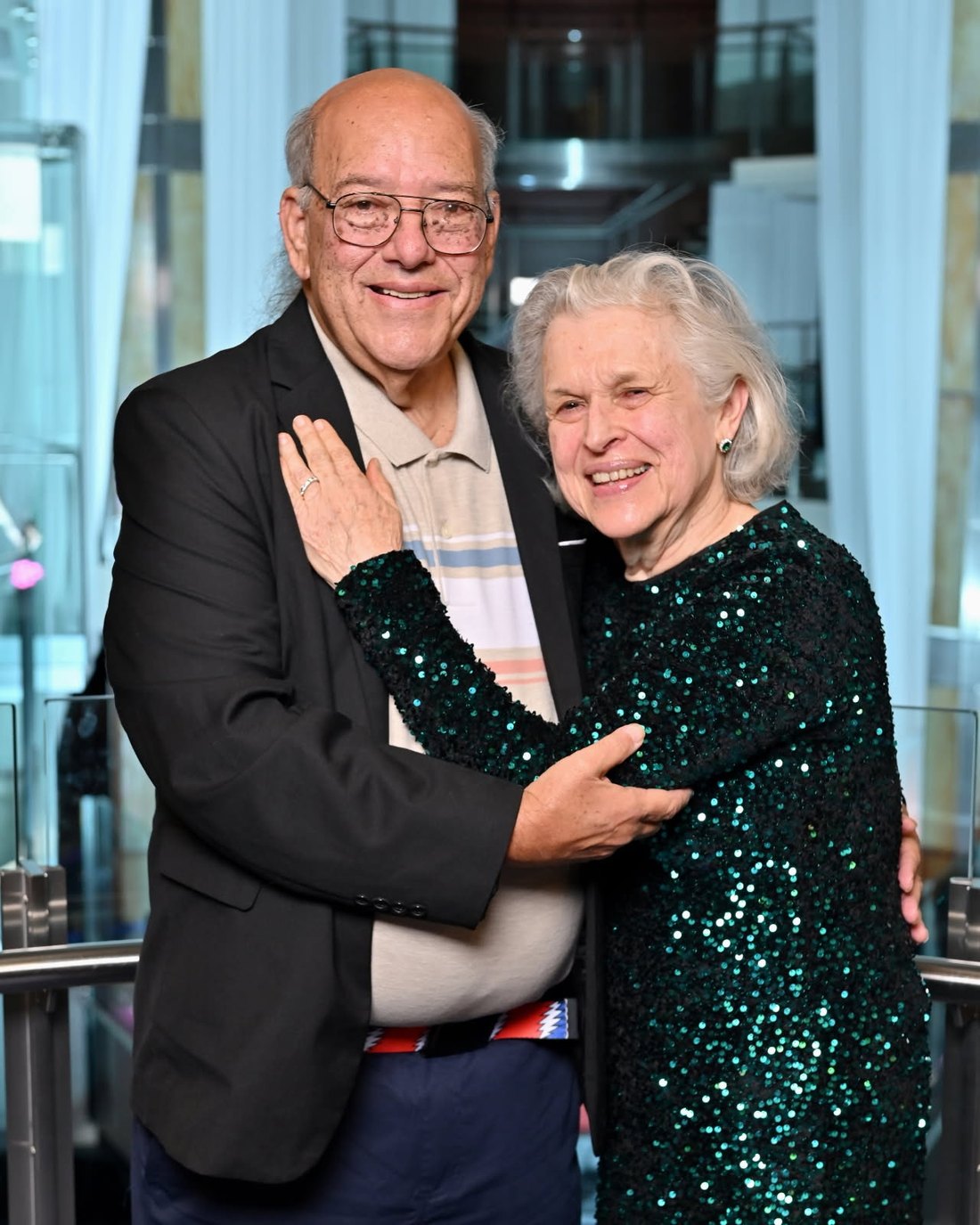
In her mid-twenties, Paula had just graduated from NYU. But behind the degree, her world was falling apart. She had a miscarriage. Her boyfriend left her. She grew up with an abusive father and a mother who was deeply depressed. The pain became too heavy to carry, and she started thinking about ending her life.
Then she saw a small poster in her dorm elevator: "NYU Psychological Clinic. If you're having suicidal thoughts, we can help." She almost walked past it. She was scared to walk through that door. But she didn't walk past, and that one brave step changed the rest of her life.
Therapy was slow. It was painful. For years, Paula did the hard work of looking at her childhood, a home shaped by addiction, and learning why she felt the way she did.
Healing didn't happen in a therapist's office alone. Paula also found recovery in 12-step rooms, meetings for her own eating addiction, open AA meetings, and Al-Anon for families who had lived with addiction. There she saw a truth that set her free: she was not alone or unique. People all over the world carried the same pain. Little by little, therapy and recovery helped her release the shame, guilt, and anger she'd held for years. She found her voice through art, and she learned to love herself.
She wrote this book so you would know one thing: you are not alone, and healing is possible.
— Paula